
How to Electrify Your Home
How to Electrify Your Home: A Comprehensive Guide to Modernizing Your Electrical System
Introduction
In today's modern world, electricity is the lifeblood of our homes. It powers our appliances, lighting, heating, and cooling systems, and enables us to live comfortably and conveniently. As technology continues to advance, it's essential to ensure that our homes are equipped with a safe and efficient electrical system. In this comprehensive guide, we will explore various aspects of electrifying your home, from upgrading your electrical panel to installing smart home devices. Whether you're a homeowner looking to enhance your living space or a DIY enthusiast eager to tackle a new project, this article will provide you with the knowledge and insights you need.
How to Electrify Your Home: A Step-by-Step Guide
Evaluating Your Electrical Needs
Before embarking on any electrical project, it's crucial to assess your home's electrical needs. Consider the number of appliances and devices you use, the lighting fixtures you have, and any future additions you may anticipate. This evaluation will help you determine the electrical capacity required to meet your needs effectively.
Upgrading Your Electrical Panel
The electrical panel, also known as the breaker box or distribution board, is the hub that controls the flow of electricity throughout your home. If your current panel is outdated or insufficient, it may be necessary to upgrade to a larger capacity panel. This upgrade will allow for additional circuits and prevent electrical overloads, ensuring a safer and more efficient electrical system.
Hiring a Licensed Electrician
While some electrical projects can be tackled by confident DIYers, it's always advisable to hire a licensed electrician for complex or potentially hazardous tasks. A professional electrician will have the expertise and knowledge to handle wiring, circuit installations, and other electrical work safely. Moreover, they will ensure that your electrical system meets local building codes and regulations.
Enhancing Energy Efficiency
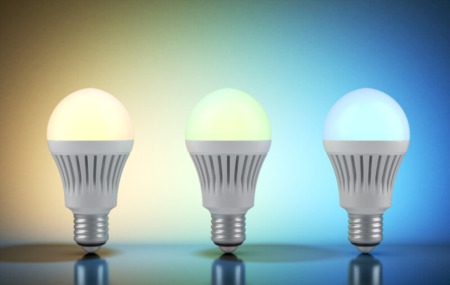
Electrifying your home presents an excellent opportunity to improve its energy efficiency. By using energy-efficient appliances, LED lighting, and smart home technologies, you can reduce your energy consumption and lower your utility bills. Consider installing programmable thermostats, motion sensor lighting, and energy monitoring devices to optimize your home's energy usage.
Installing GFCI Outlets
Ground Fault Circuit Interrupter (GFCI) outlets are an essential safety feature in any modern home. These outlets are designed to protect you from electrical shocks and reduce the risk of electrical fires. GFCI outlets should be installed in areas where water is present, such as kitchens, bathrooms, laundry rooms, and outdoor spaces.
Integrating Smart Home Technology
As technology continues to evolve, smart home devices have become increasingly popular among homeowners. Smart thermostats, lighting systems, security cameras, and voice-activated assistants offer convenience, energy savings, and enhanced home security. When electrifying your home, consider integrating these smart devices for a truly modern and connected living experience.
Upgrading Wiring and Electrical Circuits
Outdated or faulty wiring can pose serious safety hazards. If your home has knob-and-tube or aluminum wiring, it's crucial to replace it with modern copper wiring. Additionally, upgrading your electrical circuits to accommodate the electrical demands of modern appliances and devices is essential. Consult with a licensed electrician to assess your wiring needs and ensure compliance with local electrical codes.
Choosing the Right Electrical Contractors
When selecting electrical contractors for your home electrification project, it's essential to choose reputable and experienced professionals. Research local electrical companies, read reviews, and ask for recommendations from friends and family. Request quotes and compare the services to ensure you find a contractor that meets your needs and budget.
Enhancing Safety Measures
Safety should always be a top priority when electrifying your home. Consider installing smoke detectors in every room, carbon monoxide detectors near fuel-burning appliances, and fire extinguishers in easily accessible locations. It's also essential to label your electrical panel clearly, indicating which circuit corresponds to each area of your home. This labeling will help you quickly identify and troubleshoot electrical issues.
Proper Outlet Placement
When planning your home electrification project, carefully consider the placement of electrical outlets. Ensure that there are enough outlets in each room to accommodate your devices and appliances without relying heavily on power strips or extension cords. Strategically placing outlets at convenient locations will enhance the functionality and aesthetics of your living spaces.
Understanding Electrical Codes and Permits
Electrical work often requires permits and must adhere to specific building codes. These codes and regulations vary by location, so it's crucial to familiarize yourself with the requirements in your area. Failure to obtain the necessary permits or comply with electrical codes can result in safety hazards, fines, or delays in your project. Consulting with a licensed electrician or local building authority will help ensure that your electrification project is carried out correctly and legally.
Incorporating Renewable Energy Sources
In today's environmentally conscious world, many homeowners are opting to incorporate renewable energy sources into their electrical systems. Solar panels, wind turbines, and geothermal systems can help reduce your reliance on the grid and lower your carbon footprint. If you're interested in going green, consult with renewable energy specialists to determine the feasibility and benefits of integrating renewable energy into your home.
Maintaining Your Electrical System
Once your home is electrified, proper maintenance is essential to ensure its longevity and safety. Regularly inspect your electrical panel, wiring, outlets, and switches for any signs of wear, damage, or overheating. Replace or repair any faulty components promptly. It's also advisable to schedule periodic electrical inspections by a licensed electrician to identify and address any potential issues before they become major problems.
FAQ's (Frequently Asked Questions)
Q: How much does it cost to electrify a home?
A: The cost of electrifying a home can vary significantly depending on various factors such as the size of the home, the extent of the electrical upgrades, and the specific requirements of the project. It's best to consult with a licensed electrician and obtain multiple quotes to get an accurate estimate for your particular situation.
Q: Can I electrify my home myself?
A: While some electrical projects can be tackled by confident DIYers, it's generally recommended to hire a licensed electrician for safety and compliance reasons. Electrical work can be complex and potentially hazardous, and it's best to leave it to the professionals who have the necessary expertise and knowledge.
Q: Are smart home devices worth the investment?
A: Smart home devices offer numerous benefits, including convenience, energy savings, and enhanced security. While there is an upfront cost associated with purchasing and installing these devices, many homeowners find that the long-term benefits outweigh the initial investment. Smart home technology is continuously evolving, offering more advanced features and compatibility with various devices.
Q: Do I need to upgrade my electrical panel?
A: If your current electrical panel is outdated or unable to handle the electrical load of modern appliances and devices, upgrading to a larger capacity panel may be necessary. A licensed electrician can assess your electrical needs and recommend the appropriate panel size to ensure the safe and efficient operation of your electrical system.
Q: How can I make my home more energy-efficient?
A: There are several ways to make your home more energy-efficient. Consider using energy-efficient appliances, LED lighting, and programmable thermostats. Ensure proper insulation and seal any air leaks. Install energy-efficient windows and consider renewable energy sources such as solar panels. Adopting these measures will help reduce your energy consumption and lower your utility bills.
Q: Is it necessary to replace old wiring?
A: If your home has outdated or faulty wiring, it is crucial to consider replacing it. Knob-and-tube wiring or aluminum wiring can pose safety hazards and may not meet current electrical codes. Upgrading to modern copper wiring will provide a safer and more reliable electrical system for your home.
Conclusion
Electrifying your home is an essential step towards modernizing your living space, improving energy efficiency, and enhancing safety. By following this comprehensive guide, you can navigate the electrification process with confidence. Remember to evaluate your electrical needs, upgrade your electrical panel if necessary, hire a licensed electrician for complex tasks, and integrate smart home technology for added convenience. Prioritize safety measures, adhere to electrical codes, and consider incorporating renewable energy sources for a greener home. With proper maintenance and periodic inspections, your newly electrified home will provide you with a safe, efficient, and comfortable living environment.


Post a Comment